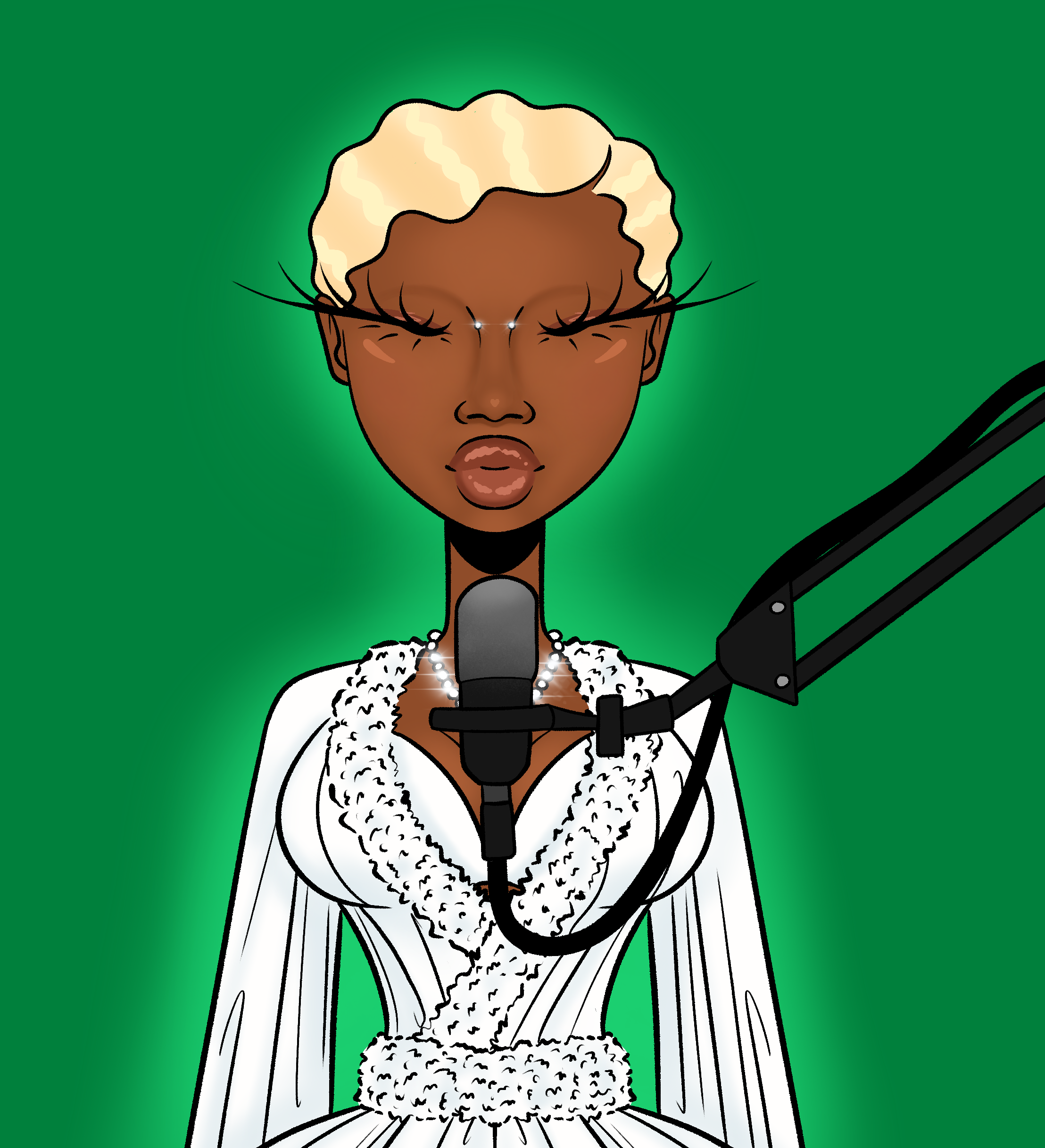
What is Black American beauty and why it’s imperative to protect the intellectual property and creative expression of Black women in America
Where did representations of Black American beauty exist prior to social media and national attention? I still recall the excitement of my mother when Covergirl’s Queen Collection was released in the drugstore. Black American Beauty emerged from the stifled beginnings that left our favorite celebrities with grey and white casting finishes minimally flattering their features on the red carpet, film, and television. Digital creator and makeup influencer, D`eja Zhane (IG: deja.zhane) sparked a powerful conversation when she questioned the visibility of Black American creators on social media platform, Instagram asking “What does Black American beauty look like?”
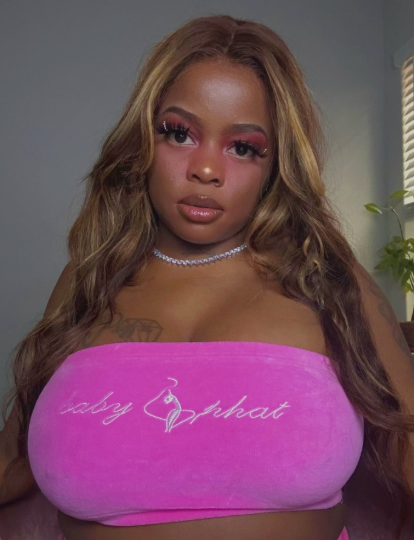
The American Beauty space is oversaturated with uniform, conforming, and aesthetically correct makeup. After 2016, social media as we know it to be, blossomed from its brief embryonic stage of pigmented, vibrant hues and gradient shading with an insatiable thirst for experimentation to a caste system-based niche leaving Black American women the least represented. Online creators across all industries and forms of expression delivered captivating looks resembling the likes of 80s makeup. Fenty Beauty added a sense of visibility and inclusion after introducing 50 liquid foundation shades inclusive to deeply melanated skin tones in 2017. If you had an “X” account (formerly known as Twitter) you witnessed the collective pandemonium and vitriol responses to darker skin particularly and Black American women.
On a scale of “But you don’t need makeup” to “Everything doesn’t have to cater to you” the message was very clear; the table had no intention of saving a seat for Black women. To be perfectly clear, Black women have been the most influential, forward moving, and self-preserved demographic in hair, and cosmetics.
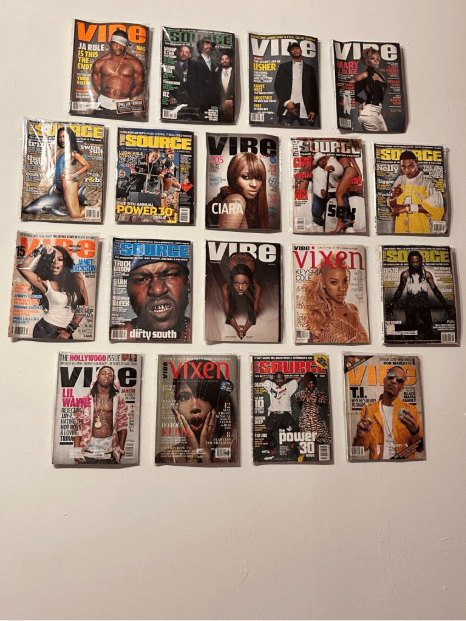
Even the Miss Black America Pageant still exists conserving a tradition and space to celebrate our longevity, influence, and creative ability. Ancestral history aside, Black women deserve a seat at the table and to be celebrated and respected for the portion we collectively built. This is about a purposeful reluctance to bring visibility to the range Black women exist within. Of course, Black women in the beauty space yet it cannot be overlooked that the chosen representatives to satisfy the demographic stifles the range Black women illustrate here in America.
What does typical makeup look like for a woman who lives in Miami? Nevada? Black women are not a monolith, and it is obvious that the beauty space understands that fact yet overlooks our contributions, adaptability, skills, and influence. The same reaction occurs every time there is a beauty campaign thatplaces a Black woman at the center to represent inclusion not as a form of tokenism. It’s not noteworthy until it’s popularized by nonblack people then discarded after being pioneered by Black American women first.
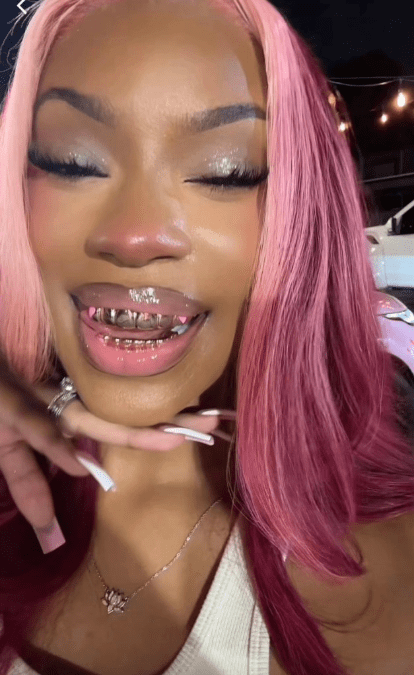
It is absolutely fascinating to see brands respond to formula reviews and consumer testing via the commentary of Black beauty creators like, Golloria (IG: golloria she/her) yet it seems that the beauty industry is continually sending the “one shade fits all” message to Black beauty creators and its audience. Pioneering brands like Fashion Fair, Black Radiance, and Black Opal were all part of the childhood of Black women in America.
Magazines and popularized ads that centered blackness from JET beauty of the month to HBCU Royal Court participants; social media is another notch in the belt. To overlook a vastly influential demographic like Black women is to ignore influence that rest in other marginalized groups like sex workers, the disabled and transgender women. Cancel culture is not as permanent or effective as discontinued support. Brands like E.LF. and partnered companies with Target have all experienced a shift in sales and positive marketing responses after making commitments that reverse inclusion, visibility, and equality. Committing to ethical small businesses has saved me so much heartache after seeing a brand chose profit over their target audience. Our voices are currency.
Choosing to spend extra for formula upgrades and packaging brings comfort beyond the satisfaction of purchasing from a brand just because it’s popular. The influence and range of reach Black American women carry in the beauty space is historic and undeserving of its erasure and lack of diversity and recognition. Now is the time to take back our power and influence, not become the successors of the oppressive system we were subjected to experience. Behaviors like anti blackness, featurism, and e-bullying stand to threaten the potential growth and positive impact celebrating our diversity internally can have.
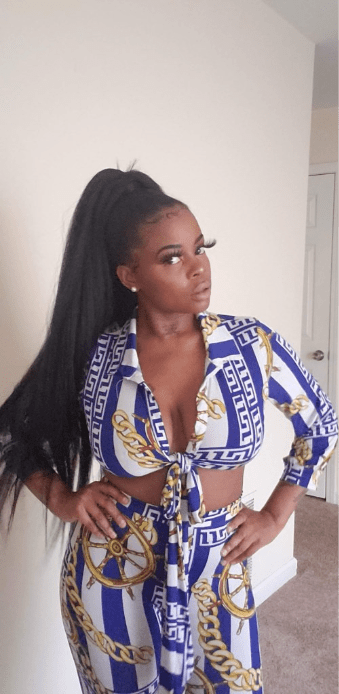
What’s being asked for isn’t unheard of or taboo. Our history is rich and diverse. Diverse is defined as including or involving people from a range of different social backgrounds. To use the phrase “lack of diversity” and Black women in the same sentence is simply imbecilic and disingenuous. The digital beauty space needs a BBL, the kind you’re unashamed to disclose with quality maintenance. So, what can you do to improve your experience as a makeup enthusiast? Seek and support the content of Black American creators. We all know the algorithm no longer exists to display the creativity we desire, so being proactive is key. Hashtags are still important and keep you updated with your niche interests.
Representation matters even as an adult. I don’t believe audiences understand the harmful impact of not being met with your true reflection. No shade to our sisters across the diaspora showing up for their demographic but the Black Americans deserve to be more than the table or a supportive leg that’s only recognized minimally or mocked until it’s regurgitated poorly with not so much as a tag or mention online.
 black renaissance woman
Leave a comment